 Luca Berton
You've selected the model. Built the platform. Passed the compliance review. The board signed off. And then you announce the AI rollout and half the organisation panics, a quarter ignores it, and the remaining quarter is already writing LinkedIn posts about how AI will replace everyone's job.
This is not a technology problem. It's a communication problem. And it's where most enterprise AI programmes die — not in a dramatic failure, but in quiet non-adoption. The platform works perfectly. Nobody uses it.
Why AI Communication Is Different
You've rolled out new software before. ERP migrations, CRM changes, collaboration tools. AI is fundamentally different because it triggers identity-level concerns that a new ticketing system doesn't:
What People Actually Hear When You Say "We're Deploying AI"
- Senior leadership hears: competitive advantage, cost reduction, innovation narrative
- Middle management hears: another transformation programme I need to resource while hitting quarterly targets
- Individual contributors hear: am I being replaced?
- Legal and compliance hears: liability, risk, regulatory exposure
- Works council / unions hear: workforce reduction disguised as innovation
Each audience needs a different message, delivered through different channels, at different times. A single all-hands email about "our exciting AI journey" satisfies none of them.
The Communication Architecture
Effective AI adoption communication follows a structured architecture — not ad hoc announcements. Here's the framework:
Phase 1: Pre-Announcement (4-6 Weeks Before Launch)
Before anyone hears the word "AI," you need the ground prepared:
- Executive alignment sessions — every leader who will be asked questions needs the same answers. Inconsistent messaging from leadership is the number one trust killer. Prepare a Q&A document with responses to the 20 most likely questions.
- Works council / union engagement — in the EU, this isn't optional. Under co-determination rules, employee representatives need to be consulted before AI systems that affect working conditions are deployed. Start this early. Surprise is the enemy.
- Manager briefing packs — middle managers are your communication multiplier. They'll be asked questions you can't predict. Give them: the business case in plain language, what changes for their team (specifically), what doesn't change, and who to escalate to.
- Identify informal influencers — every organisation has people who aren't leaders but whose opinion shapes adoption. Find them. Brief them. Get them on board or at least neutralised.
Phase 2: Announcement (Week 0)
The announcement itself should follow the "What-Why-What it means for you" framework:
The Announcement Formula
- What — concrete description of what's being deployed, to whom, and when. No jargon. No "leveraging synergies through intelligent automation."
- Why — the business reason, framed as a problem being solved (not technology being adopted). "Our compliance review process takes 6 weeks. This tool reduces it to 2 weeks" — not "We're embracing AI-powered transformation."
- What it means for you — role-specific impact. Different messages for different audiences. "For analysts: the tool handles data extraction so you can focus on interpretation" is infinitely better than "AI will augment your capabilities."
- What we're NOT doing — explicitly state what won't happen. "This is not a headcount reduction programme" — if that's true. If it IS a headcount reduction, say so honestly. People find out anyway, and discovered dishonesty destroys all future trust.
Phase 3: Sustained Communication (Weeks 1-12)
The announcement is 5% of the work. Sustained communication is the other 95%:
- Weekly micro-updates — short, specific updates on deployment progress. "This week: 200 users onboarded in the Amsterdam office. Average time saved per compliance check: 45 minutes." Concrete numbers build credibility.
- User stories — find early adopters willing to share their experience. Peer testimony is 10x more effective than executive endorsement. "Maria in Risk used the tool on the Q2 review and caught three issues the manual process missed" — that's what moves adoption.
- Open Q&A sessions — monthly or bi-weekly. Not town halls with scripted questions. Actual open forums where people can ask uncomfortable questions and get honest answers. Record and share these.
- Feedback channels — a visible, responsive way to report problems, suggestions, and concerns. If feedback goes into a black hole, people stop giving it and start resisting silently.
Phase 4: Normalisation (Months 3-6)
The goal is for AI to become unremarkable — just another tool people use:
- Integration into existing communication — stop treating AI as a special topic. Include AI metrics in regular business reviews. Mention AI tools in standard process documentation. Make it boring.
- Success celebration — share outcomes, not technology. "The compliance team processed 40% more reviews this quarter" matters. "Our AI model achieved 95% accuracy" doesn't — to most people.
- Lessons learned — publicly acknowledge what didn't work. "We initially deployed the tool with a confusing interface. Based on your feedback, we redesigned it." This builds more trust than pretending everything was perfect.

Kubernetes Recipes
Practical guide for container orchestration and deployment — hands-on patterns you can use today.
View on Amazon →Channel Strategy
Different messages need different channels. The matrix:
- Strategic decisions and major announcements → CEO/CTO communication, all-hands, official email
- Role-specific impact → manager cascade, team meetings, department briefings
- How-to and training → learning platform, video tutorials, knowledge base
- Peer experiences → internal social channels, Slack/Teams, community of practice
- Concerns and feedback → anonymous surveys, dedicated email/form, skip-level meetings
- Compliance and governance updates → formal documentation, policy updates, works council minutes
The Transparency Imperative
In regulated industries, transparency isn't just good communication practice — it's a legal requirement:
- EU AI Act Article 13 requires AI systems to be designed for transparency. Users must understand how to interpret outputs.
- GDPR Articles 13-14 require disclosure when automated decision-making affects individuals.
- Works council rights under national co-determination laws require employee consultation on AI systems affecting working conditions.
Your communication strategy isn't separate from your compliance strategy. They're the same thing, delivered through different channels.
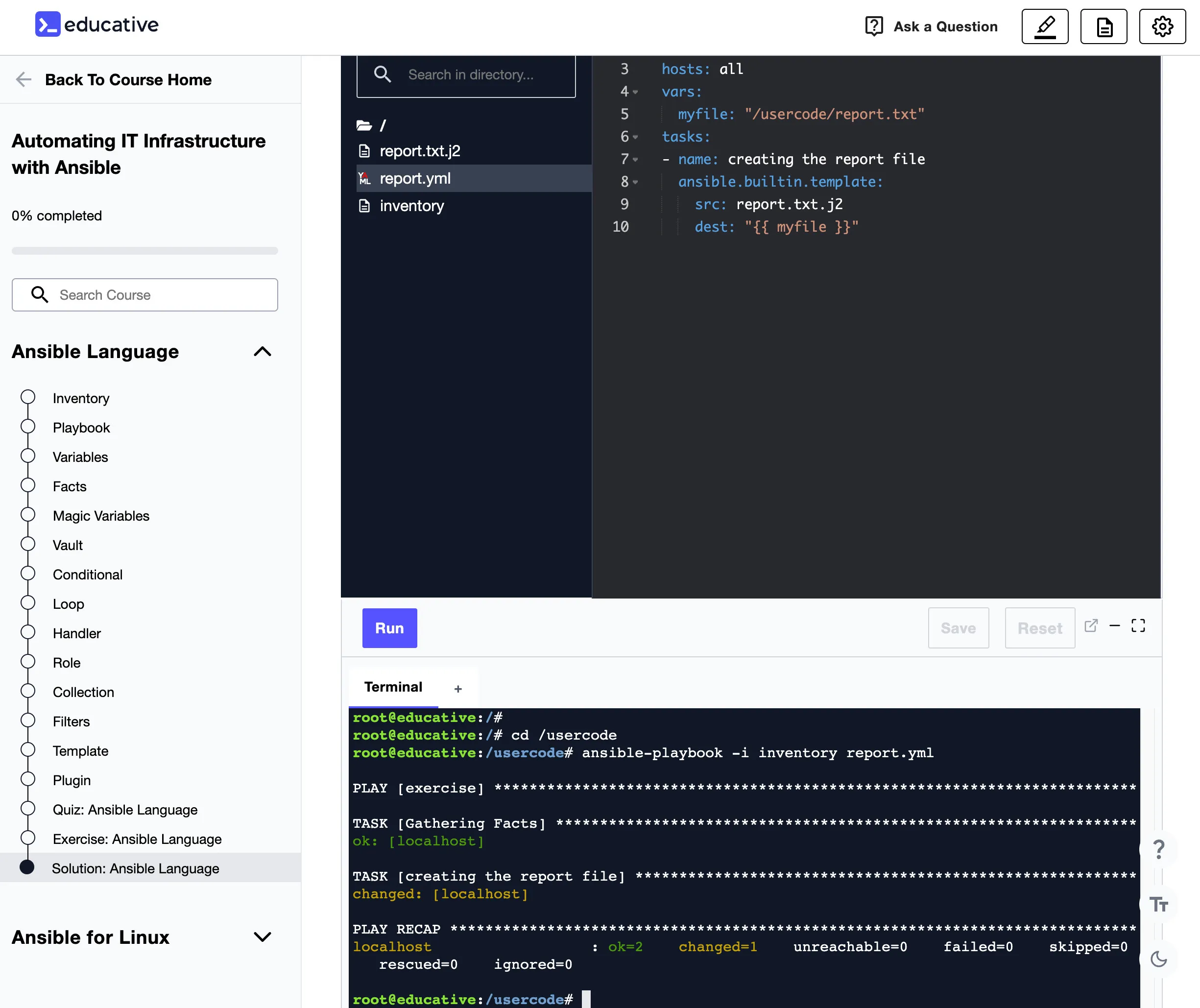
Learn Ansible Automation in 250+ Examples
Comprehensive Ansible training with real-world use cases.
Start on Educative →Measuring Communication Effectiveness
If you can't measure it, you can't improve it:
- Awareness — do people know the AI tool exists? (Survey, quiz, random check)
- Understanding — do they know what it does and how to use it? (Training completion rates, support ticket volume)
- Sentiment — how do they feel about it? (Pulse surveys, NPS for internal tools)
- Adoption — are they actually using it? (Platform analytics, active user counts)
- Advocacy — are they recommending it to peers? (Referral tracking, organic mentions in internal channels)
Track these monthly. If awareness is high but adoption is low, you have a training or usability problem. If awareness is low, you have a communication reach problem. If sentiment is negative, you have a trust problem. Different diagnoses require different interventions.
The One Thing That Matters Most
Honesty. Every communication framework, channel strategy, and measurement system is worthless if the underlying message is dishonest. If AI will change roles, say so. If some positions will be eliminated, say so — and explain the transition plan. If you don't know the full impact yet, say that too.
People can handle uncertainty. They can handle bad news. What they can't handle — and what destroys adoption permanently — is discovering they were lied to. And in an organisation of 5,000 people, someone always finds out.
AI Readiness Checklist
50-point interactive checklist covering strategy, data, infrastructure, governance, and people. Score your organisation's AI readiness.
Get Free Checklist →