 Luca Berton
The Platform Engineering Imperative
Platform engineering has moved from "interesting trend" to "competitive necessity." Gartner predicts 80% of large software engineering organisations will establish platform engineering teams by 2026. The business case is clear: developer productivity improves 20-40%, deployment frequency increases 4-10x, and compliance overhead drops as guardrails are automated into the platform.
As CTO, your strategic decisions shape whether platform engineering becomes a force multiplier or an expensive internal project that never achieves adoption.
Strategic Decisions
1. Build vs Buy vs Compose
- Build from scratch: Maximum flexibility, maximum cost. Suitable for tech companies where the platform IS the competitive advantage. Team required: 8-15 platform engineers.
- Buy a platform product: Humanitec, Kratix, or cloud-native platforms (AWS Proton, Azure Deployment Environments). Faster time-to-value, less flexibility. Vendor lock-in risk.
- Compose from CNCF tools: Backstage (portal) + ArgoCD (deploy) + Crossplane (infrastructure) + Kyverno (policy). Most common approach. Requires integration work but avoids vendor lock-in.
Recommendation for regulated enterprises: Compose approach. You need the flexibility to implement compliance controls that commercial platforms may not support. The CNCF ecosystem provides the components; your platform team provides the integration and compliance layer.
2. Team Structure
- Minimum viable team: 3-4 engineers (1 lead + 2-3 engineers). Can build an MVP platform in 6 months.
- Growth team: 6-10 engineers. Dedicated roles for infrastructure, developer experience, security, and SRE.
- Enterprise team: 10-20+ engineers. Multiple sub-teams: core platform, developer experience, security & compliance, SRE.
Common mistake: Starting too big. Begin with 3-4 engineers, prove value with one use case, then grow based on adoption.
Platform Architecture
- Developer portal: Backstage — service catalogue, documentation, self-service templates, API documentation
- Golden paths: Pre-configured templates for common patterns (Java microservice, Python ML pipeline, React frontend) with compliance built in
- Infrastructure provisioning: Crossplane or Terraform for self-service infrastructure (databases, queues, storage) with policy guardrails
- Deployment: ArgoCD GitOps — every deployment via Git PR with automated testing and approval
- Observability: OpenTelemetry + Grafana stack — consistent observability for every service
- Security: Automated security scanning, policy enforcement, secrets management — invisible to developers
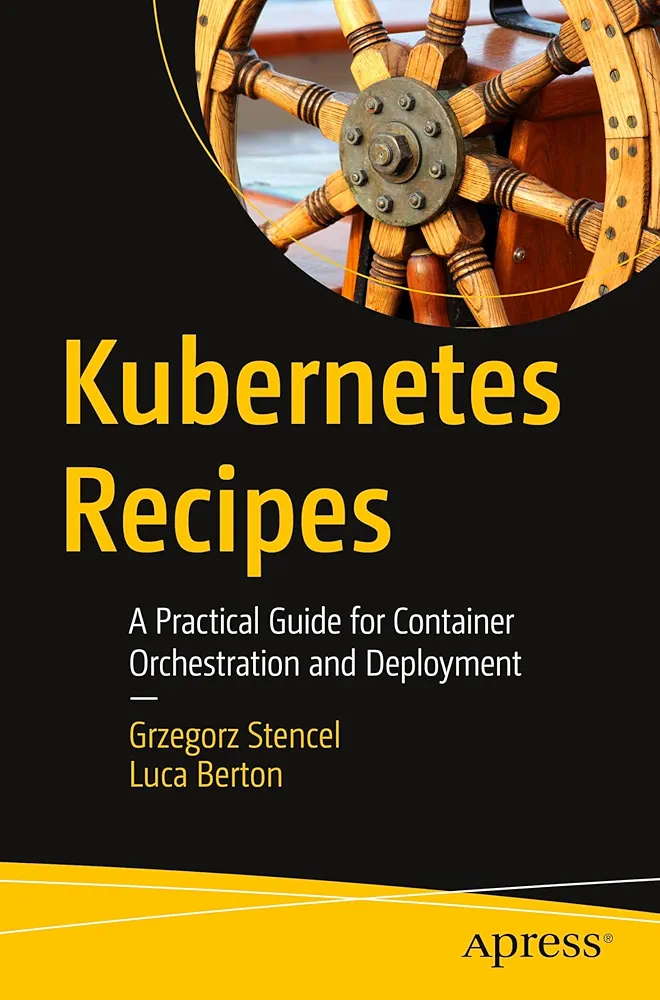
Kubernetes Recipes
A practical guide for container orchestration and deployment by Grzegorz Stencel & Luca Berton (Apress).
Watch on Skillshare →Adoption Metrics
Track these to demonstrate platform ROI:
- Adoption rate: % of teams using the platform (target: 80% within 18 months)
- Time to first deploy: How long from "new project" to "running in production" (target: < 1 day)
- Deployment frequency: Before vs after platform adoption (4-10x improvement expected)
- MTTR: Mean time to recovery before vs after (2-5x improvement expected)
- Developer satisfaction (NPS): Regular surveys — the platform must make developers' lives better, not harder
- Compliance automation rate: % of compliance controls automated in the platform (target: > 90%)