 Luca Berton
Beyond the Perimeter
Zero trust is not a product you buy — it's an architecture you build. The principle is simple: never trust, always verify. Every access request is authenticated, authorised, and encrypted regardless of where it originates. No implicit trust based on network location, device, or previous authentication.
This guide provides a practical, phased approach to implementing zero trust in enterprise environments — based on NIST 800-207 and real-world implementations in regulated industries.
Phase 1: Identity Foundation (Months 1-3)
Strong Identity is Non-Negotiable
- Consolidate identity providers: Single authoritative identity source. Federate where necessary but have one source of truth for each user population (employees, contractors, partners).
- MFA everywhere: Phishing-resistant MFA (FIDO2/WebAuthn) for all users. SMS-based MFA is better than nothing but not zero-trust grade.
- Conditional access policies: Authentication strength based on risk signals — device compliance, location, behaviour anomalies. Step-up authentication for sensitive resources.
- Service identity: Machine-to-machine authentication using mutual TLS, SPIFFE/SPIRE, or managed identity. Service accounts with static passwords are antithetical to zero trust.
- Privileged access management: Just-in-time privilege elevation. Time-limited admin access. Session recording for privileged sessions.
Phase 2: Device Trust (Months 3-6)
- Device inventory: Know every device accessing your resources. MDM/UEM for managed devices. Device compliance attestation.
- Device health signals: OS version, patch level, disk encryption, endpoint protection status — feed these into access decisions.
- Certificate-based device identity: Device certificates issued by your CA. Combined with user identity for strong authentication.
- BYOD strategy: Unmanaged devices get limited access — browser-only, no data download, session timeouts. Or virtual desktop access.

📘 Book
Kubernetes Recipes
Practical guide for container orchestration and deployment — hands-on patterns you can use today.
View on Amazon →Phase 3: Network Microsegmentation (Months 6-12)
From Flat Networks to Microsegments
- Application-level segmentation: Each application or service gets its own security boundary. Communication between segments is explicitly allowed or denied.
- Software-defined perimeter: Replace VPN with application-level access. Users connect to specific applications, not network segments. (Zscaler, Cloudflare Access, Tailscale, etc.)
- East-west traffic control: Most breaches involve lateral movement. Microsegmentation prevents a compromised workload from reaching others.
- Kubernetes: Network policies, service mesh (Istio, Cilium), mutual TLS between pods. Default-deny ingress and egress policies.
- Legacy systems: Agent-based microsegmentation (Illumio, Guardicore) for workloads that can't be containerised.
Phase 4: Data-Centric Security (Months 12-18)
- Data classification: Classify data by sensitivity. Apply access policies based on classification, not just location.
- Encryption everywhere: Data encrypted at rest and in transit. TLS 1.3 for all internal communication. Application-layer encryption for sensitive data.
- Data loss prevention: Content-aware DLP policies. Prevent sensitive data from leaving controlled environments.
- Access logging: Every data access logged with user identity, device, time, and what was accessed. Feed into SIEM for anomaly detection.
🎓 Course
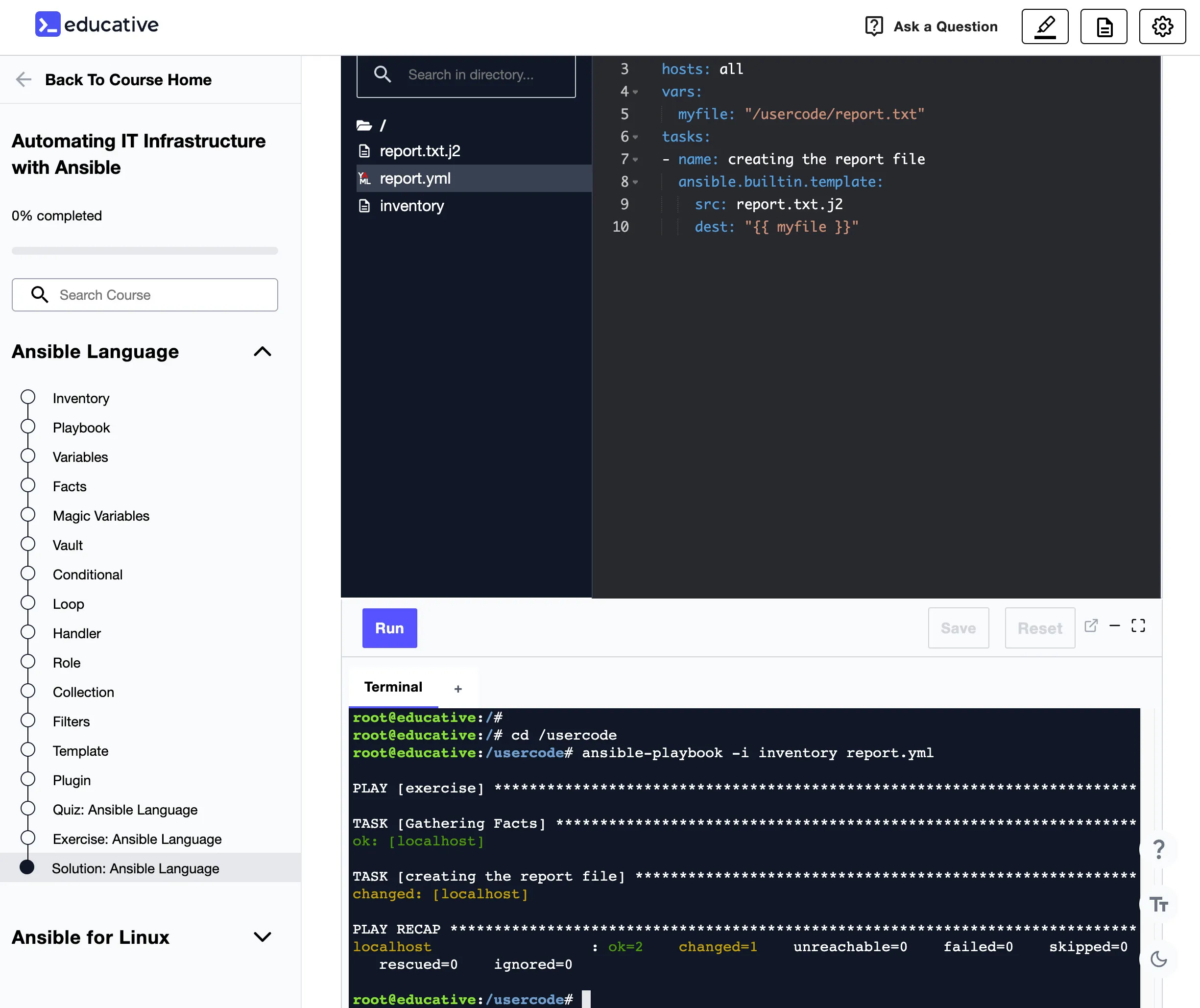
Learn Ansible Automation in 250+ Examples
Comprehensive Ansible training with real-world use cases.
Start on Educative →Phase 5: Continuous Monitoring (Ongoing)
- SIEM integration: All access decisions, authentication events, and policy changes into centralised logging. Real-time alerting on anomalies.
- UEBA: User and Entity Behaviour Analytics. Detect compromised accounts by identifying behaviour that deviates from baseline.
- Continuous assessment: Zero trust is not a project with an end date. Continuously evaluate and improve. Regular red team exercises to test controls.
- Compliance mapping: Map zero trust controls to regulatory requirements — NIS2 (network security, access control), DORA (ICT risk management), ISO 27001 (Annex A controls).
zero trust
enterprise security
microsegmentation
identity
NIST
how-to
architecture