 Luca Berton
AI vendors often arrive with impressive demos and weak control evidence. A C5 readiness assessment helps buyers separate product capability from operational assurance.
Assessment Areas
- Service scope: what is hosted, processed, stored, and operated by the vendor
- Identity: SSO, MFA, role model, privileged access, lifecycle integration
- Data handling: prompts, outputs, embeddings, logs, training use, retention, deletion
- Providers: cloud, model, vector database, observability, subprocessors
- Security operations: vulnerability management, monitoring, incident response, backups
- Evidence: assurance reports, policies, access reviews, test results, incident records
Red Flags
- No clear list of model and infrastructure providers
- No deletion story for embeddings or traces
- Shared administrator accounts
- Opaque prompt and output retention
- No customer-specific audit logs
- Security answers that depend on "the model should not do that"
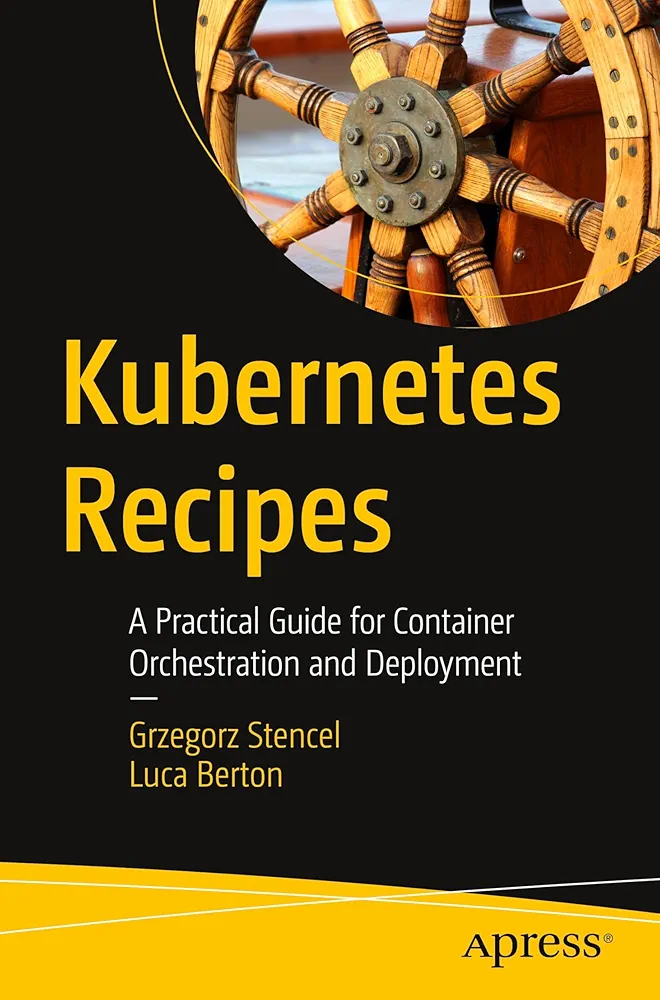
📘 Book
Kubernetes Recipes
A practical guide for container orchestration and deployment by Grzegorz Stencel & Luca Berton (Apress).
Watch on Skillshare →Bottom Line
A C5 readiness assessment for AI vendors should focus on evidence quality. The vendor does not need a perfect answer to every question, but weak ownership, weak logs, and weak data lifecycle controls are procurement risks.
C5
AI vendor assessment
vendor readiness
GenAI procurement
cloud compliance
Related Solution
Navigating AI adoption in a regulated environment? Our readiness assessment maps infrastructure, governance, and compliance gaps in 3-4 weeks.
Explore AI Readiness for Regulated Enterprises →