 Luca Berton
Shared responsibility is familiar in cloud security, but GenAI makes the map more complicated. A production AI agent may depend on a cloud provider, model provider, identity provider, vector database, observability platform, ticketing system, and several internal teams.
C5-style assurance requires you to make those boundaries explicit.
The Responsibility Layers
- Cloud provider: physical infrastructure, managed service security, regional availability, platform certifications
- Identity provider: authentication, federation, token issuance, MFA, identity event logging
- Model provider: model API availability, provider-side security controls, data processing commitments, abuse monitoring
- Vector database provider: storage security, access controls, backup, deletion support, availability
- Platform team: architecture, configuration, policy enforcement, logging, incident response, release controls
- Data owners: data classification, access rules, retention requirements, approval for indexing
- Application owners: business logic, user workflows, approval tiers, operational procedures
Where Auth0 Fits
Auth0 can own important identity-layer controls, but the platform team still owns how those controls are integrated into agent workflows. For example, Auth0 can issue scoped tokens, but your application must request appropriate scopes, validate authorization before tool execution, and log the business context.
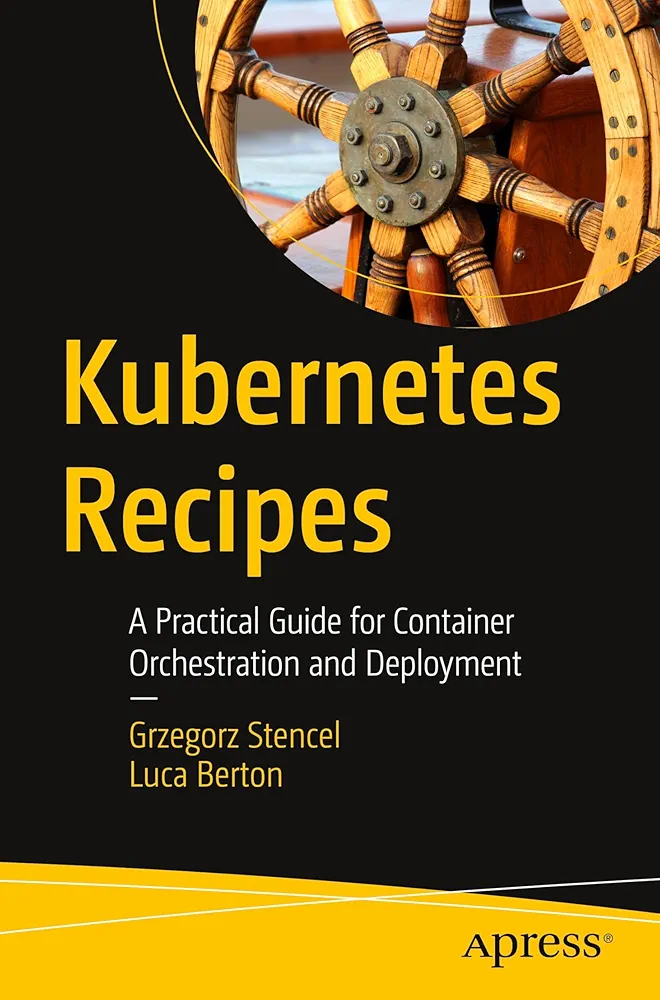
Kubernetes Recipes
A practical guide for container orchestration and deployment by Grzegorz Stencel & Luca Berton (Apress).
Watch on Skillshare →Build the Matrix Around Control Questions
Questions the Matrix Must Answer
- Who approves which data can be indexed for RAG?
- Who defines access rules for documents and tools?
- Who rotates, revokes, and monitors credentials?
- Who investigates prompt injection or unauthorized tool use?
- Who verifies that provider commitments match the workload risk?
- Who can prove deletion from source stores, indexes, logs, and caches?
Common Gaps
- Assuming a cloud provider's assurance report covers the entire AI workload
- Leaving model-provider data processing terms out of the risk review
- Putting document authorization in application code without a clear data owner
- Letting platform teams index data without approval from business owners
- Failing to define who responds when an agent misuses a third-party tool
Federated Learning and Privacy-preserving RAGs
Implement secure AI models using federated learning techniques.
Start on Pluralsight →Bottom Line
C5 shared responsibility for GenAI must be written at the workflow level. If an agent reads a document, calls an API, logs a trace, and generates an answer, every control handoff needs an accountable owner.
Related Solution
Navigating AI adoption in a regulated environment? Our readiness assessment maps infrastructure, governance, and compliance gaps in 3-4 weeks.
Explore AI Readiness for Regulated Enterprises →