 Luca Berton
When a severe security incident impacts your product, the CRA requires reporting to ENISA: early warning within 24 hours, detailed notification within 72 hours, final report within 14 days. Meeting these timelines requires infrastructure, not just runbooks.
Incident Detection Infrastructure
- Product telemetry analysis — Anomaly detection on product behavior data (crash rates, error patterns, unusual network activity)
- Customer report intake — Structured channel for security reports with automatic severity classification
- Threat intelligence correlation — Match your product components against active threat campaigns
- SIEM integration — Security events from your products feeding into centralized analysis
Incident Management Platform
A CRA-compliant incident management platform needs:
- Automated classification — Is this a CRA-reportable incident? Automated criteria checking against CRA thresholds
- Timeline tracking — Automatic countdown timers for 24h, 72h, and 14-day deadlines
- Report generation — Pre-formatted reports matching ENISA submission requirements
- Stakeholder notification — Automated alerts to: security team, product team, legal, management, affected customers
- Evidence preservation — Automated forensic data collection and tamper-proof storage
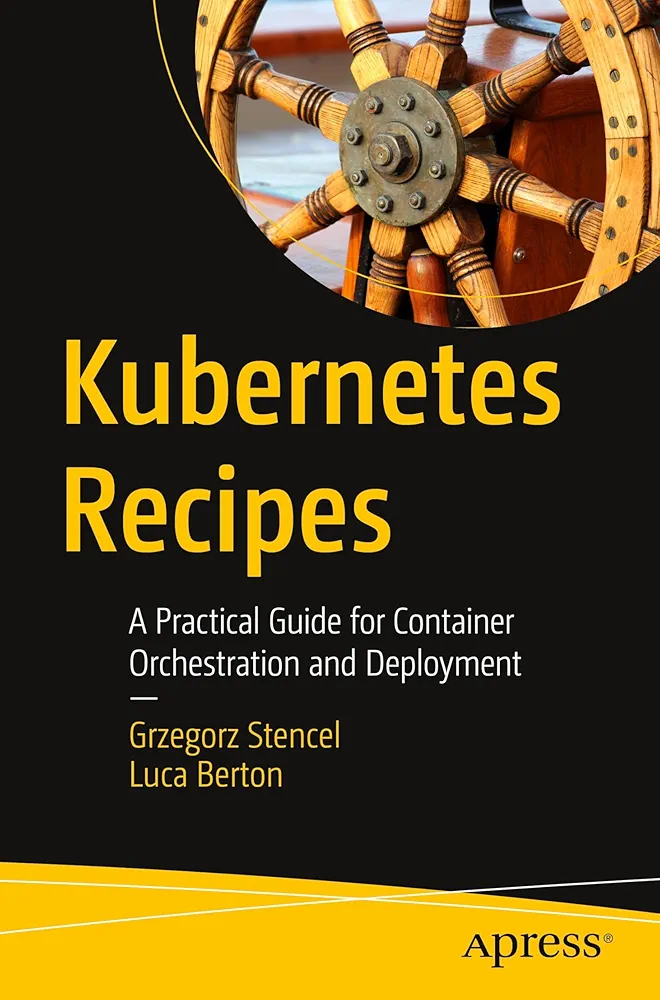
📘 Book
Kubernetes Recipes
A practical guide for container orchestration and deployment by Grzegorz Stencel & Luca Berton (Apress).
Watch on Skillshare →The Reporting Pipeline
- Detection → Incident created in management platform
- Classification → CRA reportability assessed (automated + human review)
- Early warning (24h) → Template auto-populated, security team reviews, submit to ENISA
- Investigation → Root cause analysis, impact assessment, affected product versions identified
- Detailed notification (72h) → Technical details, impact scope, mitigation measures, submit to ENISA
- Remediation → Patch development, testing, deployment via secure update infrastructure
- Final report (14 days) → Complete incident analysis, lessons learned, submit to ENISA
cra
incident response
enisa
security operations
siem