 Luca Berton
Platform Engineering Is No Longer Optional
Gartner predicts 80% of software engineering organizations will have platform engineering teams by 2026. The question isn't "should we?" — it's "how do we structure and staff this team effectively?" For regulated enterprises, the answer is more complex: you need platform engineers who understand compliance constraints, security requirements, and audit obligations alongside the technical work.
The Hiring Order That Actually Works
Phase 1: Foundation (2-3 people)
- Platform Engineering Lead: Senior engineer with both infrastructure depth and product thinking. They must understand that the platform IS a product — internal developers are the customers. T-shaped: deep in Kubernetes/cloud, broad across CI/CD, security, and observability.
- Senior Platform Engineer: The builder. Deep Kubernetes, Terraform/Pulumi, GitOps expertise. Writes the golden paths, builds the abstractions, creates the self-service APIs.
- DevEx/Developer Advocate (internal): Often overlooked. This person bridges the gap between platform team and developer teams. Writes documentation, runs onboarding, gathers feedback, and ensures adoption. A brilliant platform nobody uses is worthless.
Budget guidance: €400-600K/year total compensation (Western Europe). US: $600-900K. This team can serve 50-100 developers.
Phase 2: Scaling (5-8 people)
- Security/Compliance Platform Engineer: Specialises in policy-as-code, OPA/Gatekeeper, supply chain security, and audit trail automation. In regulated enterprises, this role is NON-OPTIONAL.
- Observability Engineer: Builds the monitoring, alerting, and SLO platform. Owns the observability stack (OpenTelemetry, Prometheus/Grafana or Datadog).
- CI/CD Pipeline Engineer: Owns the build and deployment platform. Golden pipelines, artifact management, deployment strategies (canary, blue-green).
- Data Platform Engineer (if AI/ML): If your org is doing AI/ML, you need someone bridging the platform and data/ML teams. Feature stores, model serving infrastructure, GPU orchestration.
This team serves 100-300 developers.
Phase 3: Mature Organization (10-15 people)
- Platform Product Manager: Treats the IDP as a product. Roadmap, prioritisation, stakeholder management, success metrics.
- Site Reliability Engineers (2-3): On-call for the platform itself. Incident response, capacity planning, performance optimization.
- Specialist roles: Networking, database platform, identity/access management — as complexity demands.
This team serves 300-1000+ developers. The ratio should be approximately 1 platform engineer per 30-50 developers.
Reporting Structure
Where Should Platform Engineering Report?
- Option A — Under CTO/VP Engineering: Most common. Platform team is a peer to product engineering teams. Pro: close to developer customers. Con: may be deprioritised vs product features.
- Option B — Under CIO/Infrastructure: Platform team evolves from ops/infrastructure. Pro: natural ownership of infrastructure. Con: may lack product thinking, becomes "ops with extra steps."
- Option C — Independent (VP Platform): Platform has its own leadership reporting to CTO or CEO. Pro: dedicated focus, budget, and strategy. Con: only justified at 300+ developers.
Recommendation for regulated enterprises: Option A with dotted-line to CISO for compliance alignment. The platform team must have security and compliance input but shouldn't be owned by security (or it becomes a control function rather than an enablement function).
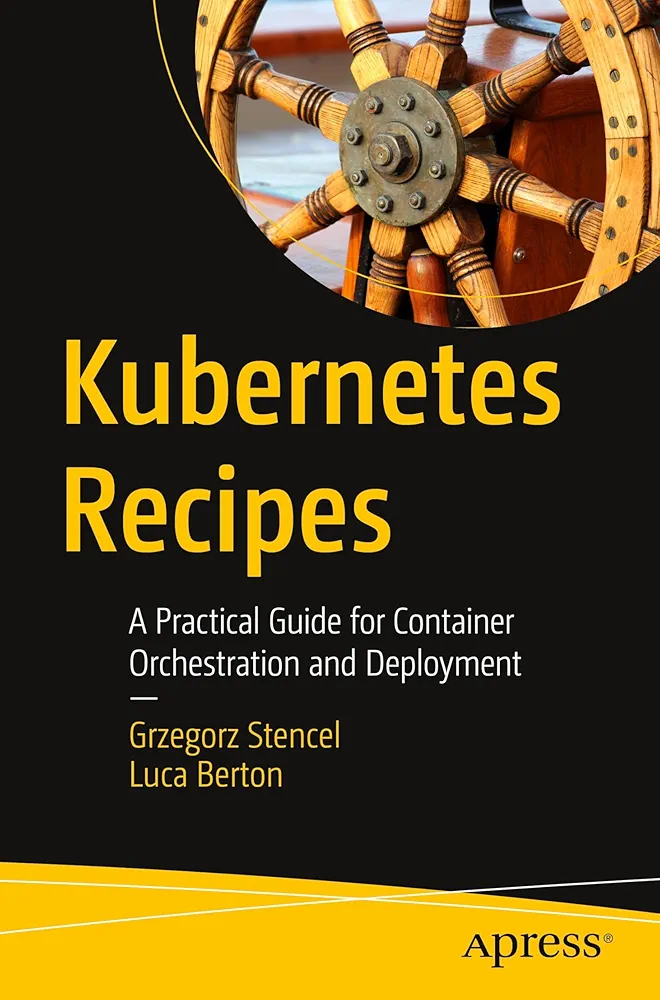
Kubernetes Recipes
A practical guide for container orchestration and deployment by Grzegorz Stencel & Luca Berton (Apress).
Watch on Skillshare →Skills Matrix
What to Hire For
- Must-have: Kubernetes (CKA-level minimum), Infrastructure-as-Code (Terraform or Pulumi), CI/CD (GitLab CI or GitHub Actions), Linux systems, networking fundamentals
- Strongly preferred: GitOps (ArgoCD/Flux), observability (Prometheus/Grafana/OTel), security tooling (OPA, Falco, Trivy), at least one programming language (Go or Python)
- Differentiator for regulated: Compliance framework knowledge (DORA, NIS2, SOC 2), audit experience, policy-as-code, supply chain security (SBOM, Sigstore)
- Underrated: Technical writing, empathy for developer experience, product thinking. The best platform engineers think like product managers who happen to write Terraform.
Budget Justification
The Business Case
- Developer productivity: Platform engineering typically delivers 20-40% improvement in deployment frequency and 30-50% reduction in lead time. For a 100-person engineering org at €100K average cost, a 25% productivity gain = €2.5M annual value.
- Compliance cost reduction: Manual compliance evidence generation costs 2-4 hours per audit finding. Automated compliance (policy-as-code, audit trails) reduces this by 80%. For regulated enterprises facing 100+ audit findings per year, this is significant.
- Infrastructure cost optimization: Platform teams that implement proper resource management, autoscaling, and cost allocation typically reduce cloud spend by 20-30%.
- Incident reduction: Standardised golden paths with built-in observability reduce production incidents by 40-60%. Each P1 incident costs €10-50K in response effort and business impact.
Automating Azure DevTest Labs
Automate lab management and integrate with CI/CD pipelines.
Start on Pluralsight →